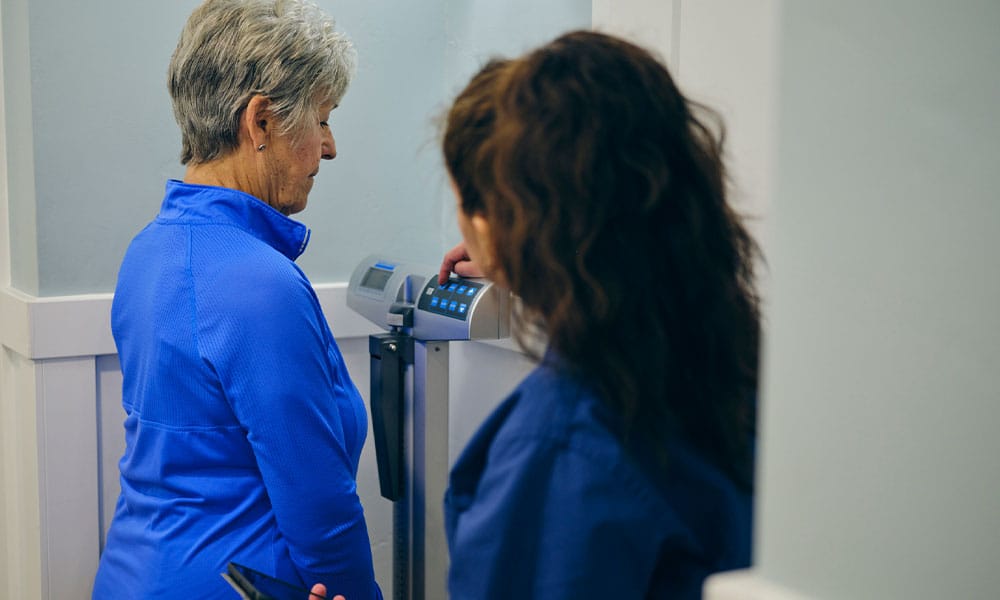
Stepping into a medical office can already feel stressful, but for many people, one moment stands out more than the rest: stepping on the scale. Have you ever felt your stomach drop or your anxiety spike at the thought of being weighed? That moment can bring up feelings of fear, embarrassment, or judgment, sometimes enough to make you dread the entire appointment.
Weigh-in anxiety is a real and common experience, and it can affect both your emotional well-being and long-term health. At NJ Advanced Surgical Solutions in New Jersey, we take every measure to ensure your weigh-in experience is compassionate and comfortable. This article discusses strategies to help you feel more prepared and supported before your next visit.
What is ‘weigh-in’ anxiety?
Weigh-in anxiety refers to the stress, discomfort, or apprehension you may feel about being weighed during a medical appointment. While weighing is a routine clinical step, it can carry significant emotional weight for many patients. You may worry about the number itself, what it “means,” or how it will be perceived by your provider.
Often, this anxiety isn’t really about the scale but about past experiences. Previous negative encounters, feelings of shame, or fear of judgment can all resurface in that moment. For some people, weigh-in anxiety is mild and fleeting. For others, it can be intense enough to impact trust, communication, and willingness to engage in care.
What causes ‘weigh-in’ anxiety?
Weigh-in anxiety develops from a combination of personal history, societal messaging, and healthcare experiences. Over time, weight can become emotionally charged, shifting from a neutral health metric to something tied to self-worth, success, or failure.
Several factors can contribute to weigh-in anxiety, including:
- Previous experiences of stigma or shame during medical visits
- Cultural and societal weight bias that emphasizes appearance over health
- Fear of being judged by healthcare providers
- Frustration after multiple unsuccessful weight-loss attempts
- Lack of privacy during the weighing process
- Language or comments that unintentionally reinforce stereotypes
How you can manage ‘weigh-in’ anxiety before your appointment
The good news is that there are practical steps you can take to reduce weigh-in anxiety and feel more in control during your healthcare visit. Preparing emotionally can make a meaningful difference in how you experience care.

Remind yourself why weight is measured
It can help to reframe the scale as a clinical tool rather than a judgment. In medical settings, weight is often used to guide medication dosing, monitor treatment effectiveness, or assess health risks, not to define your worth or effort. Reminding yourself of its medical purpose may reduce some of the emotional intensity surrounding the weigh-in.
Focus on the bigger picture of your health
Your health is far more complex than a single number. Blood pressure, lab results, mobility, energy levels, and overall well-being all matter. Shifting your mindset from “What does the scale say?” to “How am I doing overall?” can help you maintain a more balanced perspective.
Ask about privacy or accommodations
If weigh-ins make you uncomfortable, it’s okay to advocate for yourself. You can ask for privacy, request to be weighed in a gown, or ask not to see the number on the scale. Many practices are open to accommodating reasonable requests that help you feel more at ease.
Practice self-compassion before your visit
Anxiety often comes with harsh self-criticism. Before your appointment, remind yourself that seeking medical care is an act of responsibility and self-respect. Whatever the number on the scale, it does not define your effort, your character, or your value as a person.
Prepare what you want to say
If discussions about weight make you nervous, plan what you’d like to communicate ahead of time. You might want to express concerns about anxiety, past experiences, or health goals. Having those thoughts prepared can make conversations feel more productive.
Choose a supportive healthcare team
Feeling respected and heard matters. Practices that emphasize compassionate care can reduce weigh-in anxiety. When healthcare providers listen without judgment and focus on partnership, medical appointments often feel less intimidating and more empowering.
Weigh-in anxiety is common, valid, and manageable. While weight measurements may be necessary in medical care, how they are approached can greatly influence your comfort and engagement. By understanding what weigh-in anxiety is and taking active steps to prepare, you can reduce stress and feel more confident heading into your appointment.
At NJ Advanced Surgical Solutions, we offer compassionate care to support both your physical health and your emotional well-being. If you have questions or concerns before your next visit, please reach out for guidance or schedule a consultation to discuss the details.