
Gallbladder surgery, also known as cholecystectomy, is a common procedure performed to relieve pain and complications caused by gallstones, inflammation, or gallbladder dysfunction. If you’ve been dealing with recurring abdominal pain, nausea after meals, or gallbladder attacks, surgery may be the most effective way to protect your long-term digestive health.
At NJ Advanced Surgical Solutions in New Jersey, gallbladder surgery is approached with careful planning and advanced surgical techniques. Understanding exactly what happens on the day of your surgery can ease anxiety and help you prepare both physically and mentally. Below, we walk you through what you can expect from arrival to recovery.
Arriving at the surgical facility
On the day of your gallbladder surgery, you’ll arrive at the surgical center or hospital several hours before your procedure. You will have been instructed to fast for a set period of time, usually around 8 to 12 hours, to reduce the risk of complications during anesthesia.
After checking in, you’ll be taken to a preoperative area where you can change into a gown. A nurse will review your medical history, confirm your medications, check your vital signs, ensure all paperwork is complete, and answer any last-minute questions you have.
Meeting your surgical and anesthesia team
Before surgery begins, you’ll meet the professionals who will be caring for you. This includes your surgeon, anesthesiologist, and nursing staff. Your surgeon will briefly review the surgical plan, confirm the type of gallbladder removal, and address any final concerns.
The anesthesiologist will explain how general anesthesia works and review any anesthesia-related risks. You’ll then also discuss allergies, prior reactions to anesthesia, and any medical conditions that may affect sedation.
Preparing for surgery in the operating room
Once everything is ready, you’ll be brought into the operating room. You’ll be comfortably positioned on the operating table, and monitoring equipment will be attached to monitor your heart rate, oxygen levels, and blood pressure.
General anesthesia will then be administered through an IV, allowing you to fall asleep quickly. You won’t feel pain or be aware of the surgery. From this point, your surgical team takes over and carefully performs the procedure while monitoring your vital signs.
Undergoing minimally invasive gallbladder surgery
Most gallbladder surgeries today are performed using a minimally invasive laparoscopic technique. During this procedure, your surgeon makes several small incisions, usually four, each about half an inch long, in your abdomen. Through one incision, a laparoscope (a thin tube with a high-definition camera and light) is inserted, allowing the surgeon to see a magnified, real-time view of your gallbladder, liver, bile ducts, and surrounding structures on a monitor.
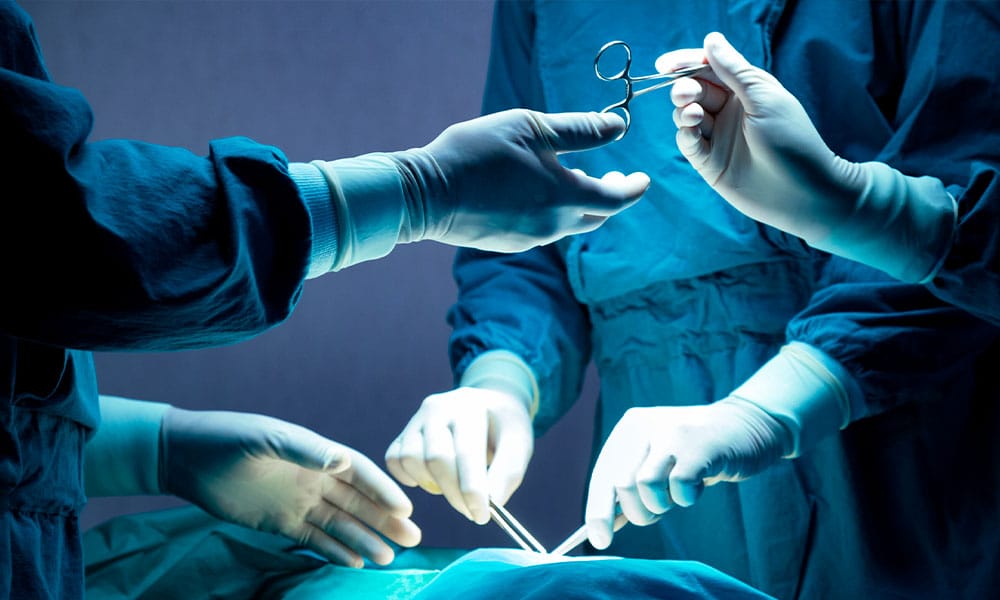
Through the remaining incisions, the surgeon inserts specialized tools to separate the gallbladder from the liver and surrounding tissue. The cystic duct and cystic artery, which connect the gallbladder to your digestive system and blood supply, are precisely clipped and divided to prevent bleeding or bile leakage. Once fully detached, the gallbladder is removed through one of the small incisions. This minimizes disruption to surrounding muscles and tissue, resulting in less pain and a faster recovery than open surgery.
When an open cholecystectomy is required
In a small number of cases, an open gallbladder removal may be necessary. This involves a larger incision in the abdomen that allows for direct access to the gallbladder. Open surgery may be required if there is significant inflammation, extensive scar tissue from previous surgeries, or difficulty visualizing the gallbladder safely using laparoscopic tools.
Although open surgery is less common, it remains a safe option when medically indicated.
Waking up in the recovery area
After surgery is complete, you’ll be taken to a recovery area where the medical staff will closely monitor you as the anesthesia wears off. It’s normal to feel groggy, tired, or mildly nauseated at first. Your care team will manage pain and nausea with medications as needed.
If you’ve had minimally invasive surgery, you may be able to go home the same day once you’re fully awake, stable, and able to drink fluids. If open surgery is performed, a short hospital stay is usually required to monitor healing and manage discomfort.
Preparing to go home
Before you’re discharged, your medical team will review detailed post-operative instructions with you. These typically include instructions on caring for your incisions, managing pain, resuming normal activities, and recognizing signs of complications. You’ll also receive guidance on diet and activity restrictions during early recovery.
You’ll need someone to drive you home and stay with you for at least the first 24 hours. Following these instructions closely is key to a smooth recovery and long-term success.
Knowing what to expect on the day of gallbladder surgery can help you feel more prepared and less anxious about the experience. If you’re preparing for gallbladder surgery or have questions about your treatment, schedule your consultation today.
