
You may have started a GLP-1 medication and noticed that you feel full much sooner than usual. Perhaps your cravings have decreased, but you are experiencing nausea, constipation, or other digestive symptoms. While these medications can be highly effective tools for weight management, understanding their side effects is an important part of achieving success.
At NJ Advanced Surgical Solutions, serving patients throughout New Jersey, we help individuals explore effective weight-loss options and make informed decisions about their health. Here is what you should know about GLP-1 medications and their potential side effects.
What are GLP-1 medications?
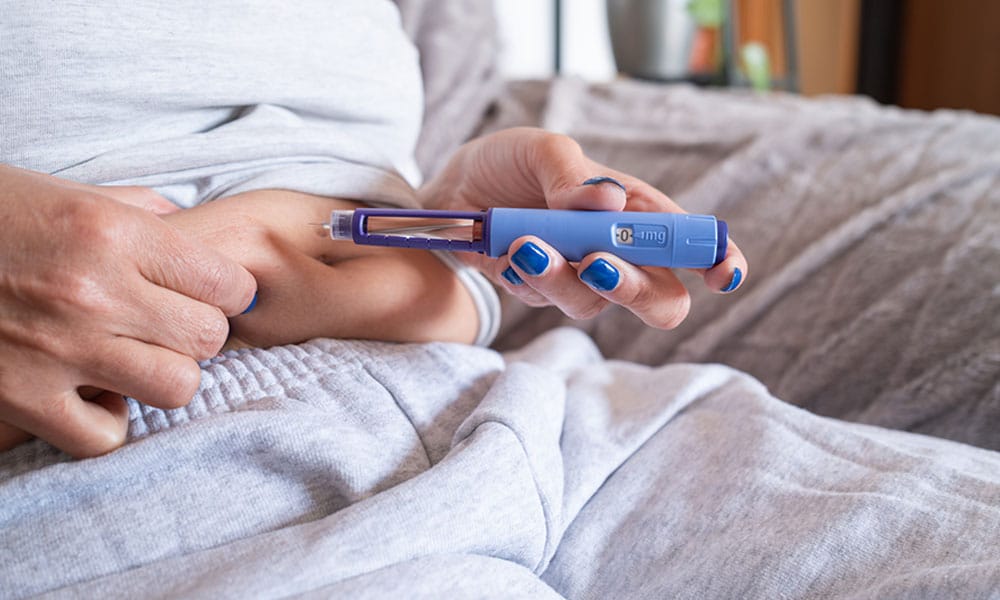
GLP-1 medications are a class of drugs used to help manage obesity, overweight, and type 2 diabetes. They mimic a naturally occurring hormone called glucagon-like peptide-1 (GLP-1), which helps regulate blood sugar levels and appetite.
These medications work by slowing stomach emptying, increasing feelings of fullness, and reducing hunger signals in the brain. As a result, many patients eat less, experience fewer cravings, and find it easier to maintain a calorie deficit. Popular GLP-1 medications include semaglutide and tirzepatide, which have helped many individuals achieve meaningful weight loss when combined with healthy lifestyle changes.
Common side effects of GLP-1 medications
Many patients experience digestive side effects during the first few weeks of GLP-1 treatment, particularly when starting the medication or increasing their dosage. These symptoms are often temporary and may improve as the body adjusts.
Common side effects may include:
- Nausea: Especially after meals or following a dose increase
- Vomiting: Triggered by persistent or severe nausea
- Constipation: Due to slower digestion and reduced food intake
- Diarrhea: Including loose stools or changes in bowel habits
- Bloating: Caused by delayed stomach emptying
- Abdominal discomfort: Such as mild cramping, pressure, or digestive upset
Tips to manage GLP-1 side effects
Reduce portion sizes
Many patients find that eating smaller meals helps reduce nausea and digestive discomfort. Because GLP-1 medications increase feelings of fullness, your usual portion sizes may suddenly feel too large. Paying attention to your body’s hunger and fullness cues can help prevent overeating and minimize side effects.
Eat more slowly
Eating too quickly may increase nausea or stomach discomfort. Try taking your time during meals and allowing your body to recognize when it is satisfied. Slower eating can help improve digestion and reduce the likelihood of feeling overly full.
Limit high-fat foods
Foods that are fried, greasy, or high in fat can sometimes worsen nausea. If symptoms are bothersome, consider reducing foods such as fried foods, heavy sauces, and high-fat desserts while your body adjusts to the medication.
Stay hydrated
Proper hydration can support digestion and may help reduce constipation. Drinking water consistently throughout the day is especially important if you are eating less than usual or experiencing gastrointestinal side effects.
Follow your dosing schedule
GLP-1 medications are typically started at a low dose and increased gradually. Following your provider’s instructions allows your body time to adjust and may help reduce the severity of side effects. In some cases, remaining on a lower dose longer may be appropriate.
Communicate with your provider
If side effects become severe, interfere with your daily life, or do not improve over time, speak with your healthcare provider. Adjustments to your treatment plan, medication dosage, or weight-management strategy may help improve your experience and outcomes.
Explore your weight-loss options
GLP-1 medications can be effective tools for long-term weight management, but they are not the right solution for everyone. At NJ Advanced Surgical Solutions, we help patients throughout New Jersey explore a wide range of treatment options, including medical weight management and bariatric surgery. Whether you are considering GLP-1 medications, gastric sleeve surgery, gastric bypass surgery, or another approach, our team can help you determine the most effective path toward achieving your long-term health and weight-loss goals. Contact us today to schedule your personalized consultation.