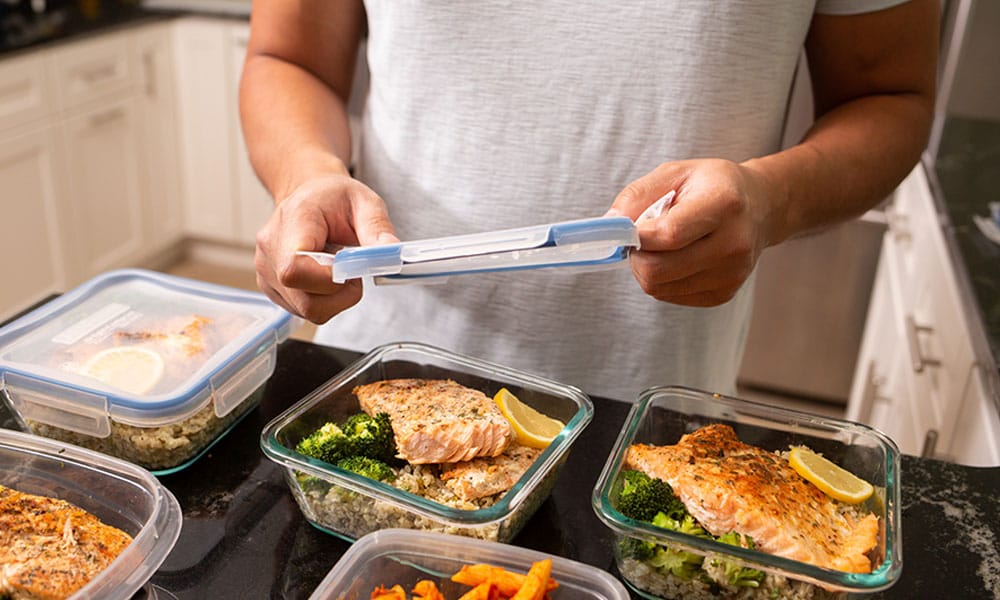
You may notice that once-constant hunger becomes quieter after starting a GLP-1 medication. But perhaps you also begin skipping meals, feeling proud of how little you eat, or avoiding meals with friends because food suddenly feels complicated. These changes deserve real attention, especially if you have struggled with restrictive dieting or disordered eating before.
At NJ Advanced Surgical Solutions, serving patients throughout Central New Jersey and the Jersey Shore, we believe healthy weight management should support your overall well-being. That includes maintaining a healthy relationship with food during treatment.
How GLP-1s can change your relationship with food
GLP-1 medications mimic a naturally occurring hormone involved in appetite and blood sugar regulation. They can help you feel full sooner, remain satisfied longer, and experience fewer persistent thoughts about food. They also slow stomach emptying, which can contribute to prolonged fullness, thus helping you make better dietary choices.
For many people, these side effects make eating feel easier to manage. However, a reduced appetite can also lead you to unintentionally eat too little. If you have a history of restrictive dieting, disordered eating, or an eating disorder, major changes in hunger may cause old thoughts and behaviors to resurface. The goal of GLP-1 treatment is not to eat as little as possible. Your body still needs adequate nutrients and fluids to function properly.
Signs that your eating patterns may be becoming unhealthy
A smaller appetite is expected with GLP-1 treatment, but there is a difference between feeling satisfied with less food and developing patterns that may compromise your physical and/or emotional health. Warning signs that deserve attention can include:
- Frequently skipping meals or going long periods without eating
- Feeling accomplished or proud because you ate very little
- Developing increasingly rigid rules about which foods you can eat
- Avoiding social activities because they involve food
- Experiencing rapid weight loss without appropriate medical supervision
- Becoming increasingly preoccupied with your weight, food, or appearance
- Experiencing dizziness, fainting, unusual fatigue, or hair loss
- Noticing previous disordered eating thoughts or behaviors returning
If these changes occur, contact the healthcare professional prescribing your medication. Your treatment plan or dose may need to be reviewed, and support from a registered dietitian or mental health professional may be appropriate. If you have a history of an eating disorder, discussing it with your care team is particularly important before and during treatment.
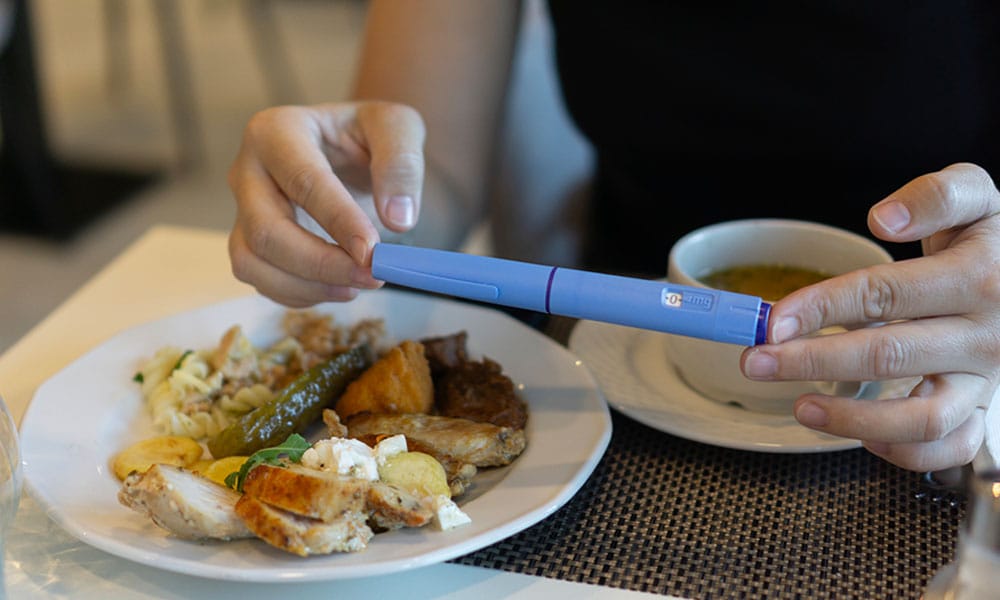
How to stay nourished during GLP-1 treatment
Eat consistently even when you are not hungry
Weaker hunger signals can make it surprisingly easy to forget meals. Rather than relying entirely on appetite, establish a regular eating schedule. Smaller meals and snacks throughout the day may be more manageable when you experience early fullness or nausea.
Prioritize protein and preserve muscle
Weight loss can include some loss of lean muscle along with body fat. Eating sufficient protein and incorporating appropriate strength training can help preserve muscle mass. Protein-rich foods like poultry, fish, eggs, dairy, beans, lentils, nuts, and seeds can help you meet your nutritional needs even when portions become smaller.
Make smaller portions nutrient-dense
Because you may eat less overall, the nutritional quality of what you eat becomes especially important. Build meals around nutrient-dense foods, including lean proteins, vegetables, fruits, whole grains, and other foods recommended for your individual needs. Your healthcare team can also determine whether laboratory testing or supplementation is appropriate.
Stay ahead of hydration
Reduced appetite can sometimes be accompanied by reduced fluid intake. Drink consistently throughout the day rather than waiting until you feel very thirsty. If nausea, vomiting, or other gastrointestinal side effects make eating or drinking difficult, contact your healthcare provider instead of simply trying to push through persistent symptoms.
Support your health beyond the scale
Successful obesity treatment is about more than seeing a lower number on the scale. Your nutrition, strength, emotional well-being, and long-term relationship with food matter, too. If you are considering medical or surgical approaches to weight management, NJ Advanced Surgical Solutions provides comprehensive bariatric care for patients across New Jersey, with locations in Freehold, Neptune City, and Robbinsville. Contact our team to discuss your weight-loss options and develop an individualized path toward better health.